Immersive Audio: Immersive audio technologies, such as spatial audio, provide a 360-degree sound stage around the listener, offering complete audio immersion.
Virtual and Augmented Reality: Virtual and augmented reality technologies are becoming more prevalent in the event industry, offering unique and engaging experiences for attendees.
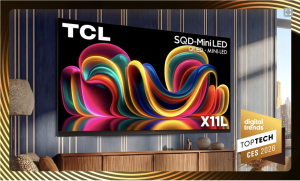
8K and HDR Video: As video quality continues to improve, 8K resolution and high dynamic range (HDR) video are becoming more popular, providing a more vibrant and lifelike visual experience.
Transition from Hardware to Software Codecs: Brands are shifting from hardware codec-based video and audio-conferencing tools to software-focused solutions, offering more flexibility and scalability for users
Extended Reality and the Metaverse: The metaverse and extended reality (XR) are emerging trends that can enhance the audio-visual experience, allowing for more immersive and interactive events.
Invisible Sound: Invisible speakers, installed into walls or ceilings, provide excellent sound quality while maintaining the aesthetics of the event space.
Touchless Displays: In a post-pandemic world, touchless displays are becoming more popular, offering a safer and more hygienic way for attendees to interact with event content.
AI and Machine Learning: AI and machine learning technologies are being used to improve video quality, automate meeting functions, and enhance the overall audio-visual experience.
Sustainable AV Solutions: As sustainability becomes a more significant concern, event organizers are integrating audio-visual technologies that are more energy-efficient and environmentally friendly.
Event Production Efficiency: AV technology is streamlining event production processes, improving setup, and reducing manual labor, ultimately enhancing the overall efficiency of events.